American Designers Redefining Concrete in Luxury Interiors / Exteriors
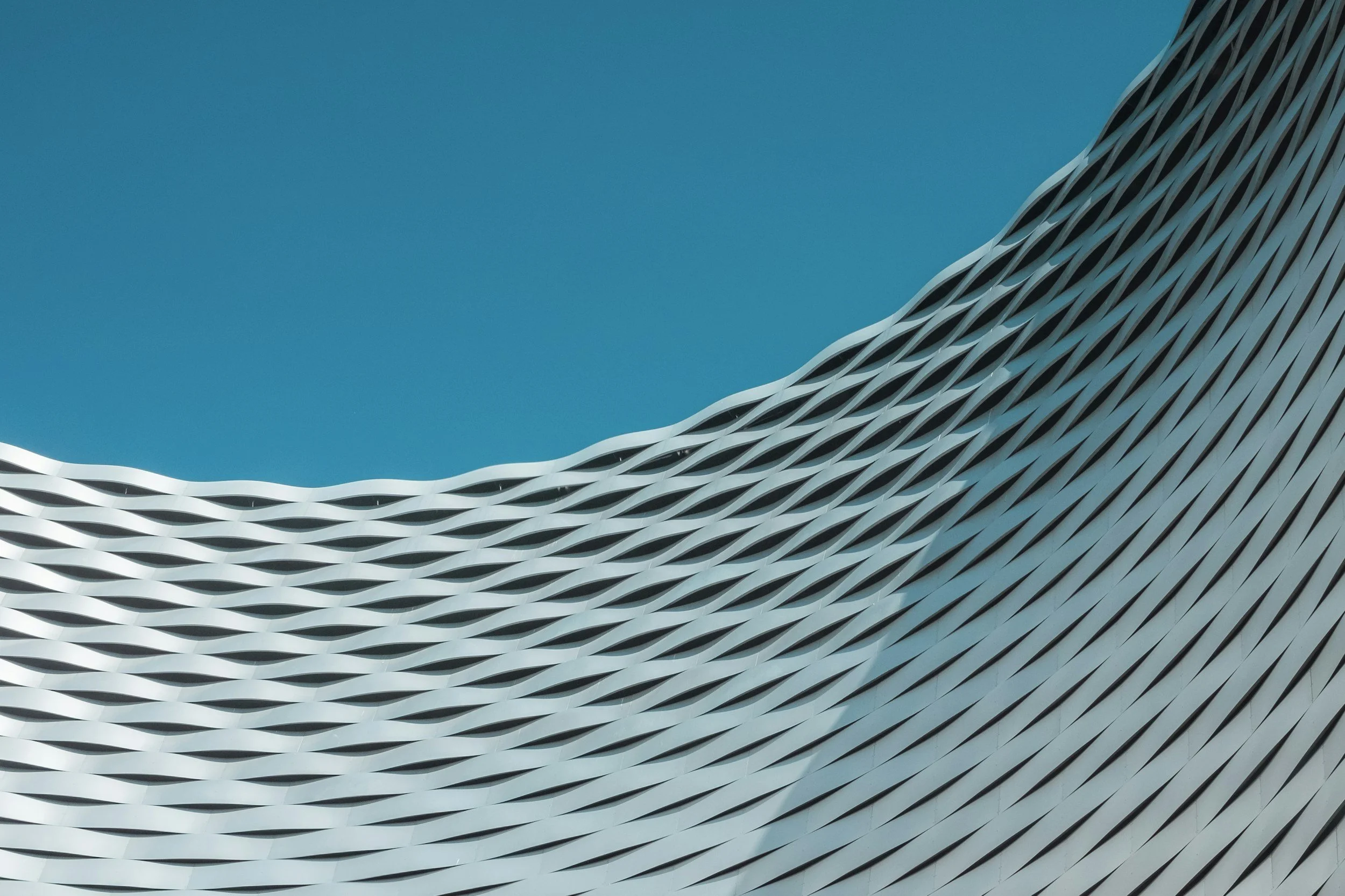
How Architectural Concrete Is Shaping a New Material Language in the United States
For much of the twentieth century, concrete in the United States was associated with infrastructure, industrial expansion, and large-scale urban development. Today, that perception is shifting. Across architecture, interiors, and object design, concrete is being reconsidered as a material capable of refinement, permanence, and spatial clarity.
This transformation reflects broader changes in how luxury is understood in American design culture. Increasingly, value is placed not on ornamentation, but on material authenticity, structural expression, and long-term relevance.
Concrete, once concealed or minimized, is now being intentionally revealed.
A Material Rooted in the American Landscape
The growing presence of architectural concrete in luxury residential design is closely tied to regional architectural traditions. In many parts of the United States, contemporary design has embraced materials that respond directly to climate, terrain, and cultural context.
Firms such as Olson Kundig have demonstrated how concrete can function as both structural framework and atmospheric element. Their work often explores the relationship between mineral materials and natural environments, producing spaces that feel simultaneously engineered and grounded.
Similarly, Lake|Flato has integrated concrete into projects that prioritize environmental responsiveness and regional identity. Through restrained material palettes and disciplined forms, these architects have contributed to a growing acceptance of concrete as a refined residential material.
Concrete as Architectural Expression
In contemporary American architecture, concrete is increasingly treated as a medium of expression rather than simply a structural necessity. This shift aligns with broader minimalist design movements, where spatial clarity and material presence take precedence over decorative complexity.
Architectural practices are using concrete to:
articulate structural systems visually
create continuity between interior and exterior environments
establish tactile contrast within restrained palettes
introduce permanence within rapidly evolving urban contexts
These applications reinforce concrete’s role as a material capable of conveying both technical precision and emotional stability.
From Building Material to Design Object
As architectural approaches influence interior design, concrete is also gaining prominence at the scale of furniture and objects. Studios such as Concrete Collaborative have explored casting techniques that elevate concrete into sculptural, design-led applications.
Meanwhile, manufacturers like Sonoma Cast Stone have demonstrated how mineral materials can achieve surface refinement and durability suitable for high-end residential environments.
This movement reflects a broader convergence between architecture and product design, where materials traditionally reserved for buildings are now shaping the objects that populate domestic spaces.
Innovation in High-Performance Cementitious Materials
Advancements in material science have played a crucial role in redefining concrete’s capabilities. High-performance formulations, including Ultra High Performance Concrete (UHPC), enable thinner, stronger, and more precisely engineered components.
Research and development efforts by companies such as Quikrete and emerging material technology firms have expanded the possibilities for architectural concrete applications across both large-scale and object-scale design.
These innovations support a new generation of designers seeking materials that combine engineering rigor with aesthetic restraint.
A Shift Toward Permanence in American Design Culture
The renewed interest in concrete also reflects changing attitudes toward consumption and design longevity. As homeowners and designers move away from disposable interior trends, materials that convey durability and timelessness are gaining cultural relevance.
Concrete’s ability to age gracefully, resist environmental wear, and maintain structural clarity aligns with the principles of slow design and investment-oriented living environments.
In this context, concrete is no longer merely practical.
It is symbolic of a broader desire for stability and material honesty.
The CASTELLE STUDIO Perspective
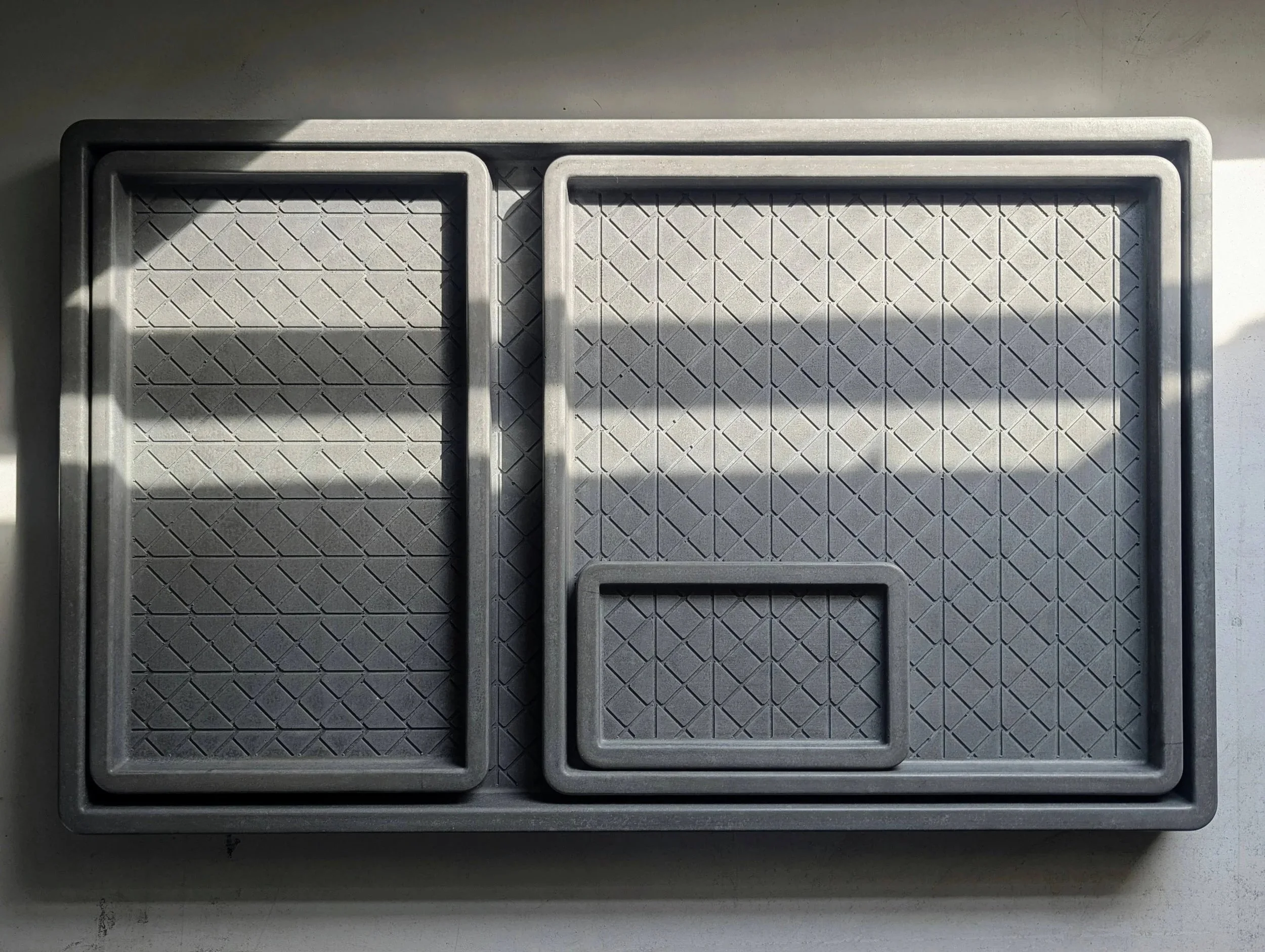
Within this evolving American design landscape, concrete is increasingly understood as an architectural medium at multiple scales. At CASTELLE STUDIO, Ultra High Performance Concrete is used to explore how disciplined proportion and material presence can shape spatial experience, even through small-scale objects.
This approach reflects a belief that contemporary luxury is defined not by excess, but by precision, permanence, and thoughtful material expression.
As the material language of American design continues to evolve, architectural concrete is likely to remain central to how environments are conceived and experienced.
